 メディテック


Common Questions About Cleanroom Swabs
578Discover answers to the most common questions about cleanroom swabs—including types, materials, sterile vs. non-sterile options, selection tips, and proper usage.
詳細を見る製品検索検索ポスト
Fiber optic networks depend on extremely clean connector end-faces to maintain stable signal transmission. Even microscopic dust, oil, or debris on fiber optic connectors can cause signal loss, increased insertion loss, and network performance problems.
A fiber optic cleaning swab is a precision cleaning tool designed to remove contaminants from fiber ferrules, connectors, adapters, and other sensitive optical components without scratching or leaving residues. However, not all cleaning swabs are suitable for every application. Choosing the right material, size, design, and cleanliness level is essential for effective fiber optic maintenance.
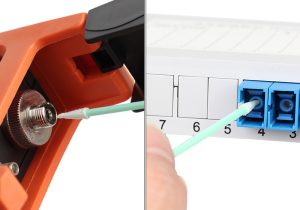
The cleaning head material directly affects cleaning performance.
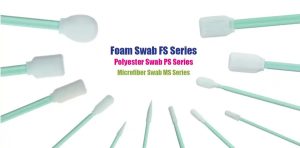
Foam fiber optic cleaning swabs are popular because they offer:
Open-cell polyurethane foam is especially suitable for removing dust, oil, and contaminants from fiber optic connectors.
メディテックの Fiber Optic Cleaning Swab Stick FS-750 uses 100 PPI (Z) open-cell polyurethane foam with a precision tapered head design, making it suitable for cleaning fiber ferrule end-faces and optical adapters.
Polyester cleaning swabs provide:
They are commonly used for precision cleaning in electronics, optics, and controlled environments.
Fiber optic connectors come in different sizes and structures, so the swab dimensions are important.
Best for:
A pointed tip allows technicians to reach recessed areas without damaging components.
Suitable for:
Choosing the correct head width prevents incomplete cleaning or excessive pressure on the connector.
A good fiber optic cleaning swab should provide:
A firm handle helps operators:
Long handles are useful for:
For sensitive electronic environments, an antistatic handle helps reduce the risk of electrostatic discharge damage.
For fiber optic applications, cleaning tools should have:
A high-quality fiber optic cleaning swab should be manufactured under controlled conditions to avoid introducing new contaminants.
Meditech cleanroom swabs are designed for precision cleaning applications and feature materials selected for low contamination performance.
Some fiber optic cleaning processes use solvents such as:
The swab head should maintain structural integrity when exposed to cleaning solvents.
Foam and polyester materials are commonly selected because they provide good solvent compatibility.
For critical environments, packaging is important.
Look for:
These factors help maintain cleanliness from production to final use.
Discover answers to the most common questions about cleanroom swabs—including types, materials, sterile vs. non-sterile options, selection tips, and proper usage.
詳細を見る
Foam cleaning swabs for Epson , Roland Printers These swabs are good for solvent inks as well as aqueous dye inks Close celled foam Low...
詳細を見るサーマルプリンタの種類は、現在ますます多くなっている、友人の多くは、サーマルプリンタの使用方法を知っているだけで、サーマルプリンタを維持する方法を知りません。したがって、サーマルプリンタの建設を担当するメディテック技術のウェブサイトの人...
詳細を見る
多くのスターホテルや高級ホテルでは、部屋に入るのにカードをスワイプしなければならない。しかし、ホテルのカードロックを一定期間使用すると、実際のロックの感度が大幅に低下していることに気づくだろう。
詳細を見る演算結果を入力する。
計算が間違っています。