Cleanroom swabs are precision cleaning tools engineered for ultra-controlled environments where even microscopic particles can cause product failures or regulatory issues. Whether you work in pharmaceuticals, semiconductor manufacturing, or medical device assembly, these specialized swabs help maintain strict cleanliness standards. In this post, we answer the most common questions about cleanroom swabs to help you select, use, and understand them better.
What Are Cleanroom Swabs?
Cleanroom swabs are specially designed applicators used for cleaning, sampling, and applying solutions in controlled environments such as ISO-classified cleanrooms. Unlike standard swabs, they are manufactured to minimize particle generation, linting, and residue while meeting rigorous cleanliness requirements. They consist of a handle (shaft) and a tip made from low-shedding materials, ensuring they do not introduce contaminants into sensitive processes like electronics assembly or pharmaceutical production.
How Do Cleanroom Swabs Differ from Ordinary Cotton Swabs?
Regular cotton swabs, often found in household or basic lab use, can shed fibers, particles, and residues from their handles, glue, or fabric. This makes them unsuitable for cleanrooms, where they risk damaging sensitive components, compromising sterility, or triggering GMP audit failures. Cleanroom swabs undergo specialized processing—such as cleanroom laundering and thermal sealing—to eliminate these risks. They also offer features like ESD protection and chemical compatibility that standard swabs lack.
What Materials Are Cleanroom Swabs Made From?
Cleanroom swabs use high-purity materials chosen for low particle shedding and chemical resistance:
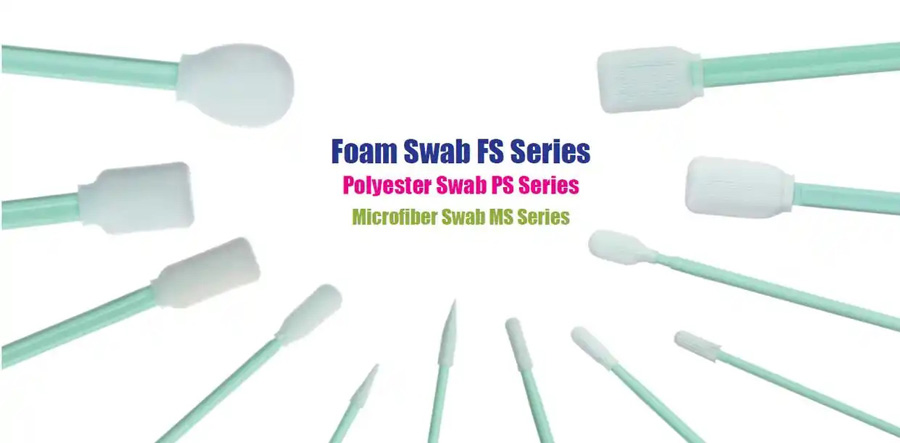
Tips: Knitted polyester (low-linting, solvent-resistant), open- or closed-cell polyurethane foam (highly absorbent), microfiber (excellent for fine particle capture), or foam-over-cotton combinations.
Handles: Polypropylene (rigid, anti-static options available), paper (biodegradable), or specialized conductive materials for ESD-sensitive applications.
These materials are produced in ISO Class 5 or better environments and tested for particulate levels, non-volatile residues (NVR), and extractables to ensure compliance with industry standards like IEST-RP-CC003.4.
What Are the Different Types of Cleanroom Swabs?
Cleanroom swabs come in various configurations to suit specific tasks:
Foam swabs: Ideal for general cleaning, flux removal, and adhesive application due to high absorbency and non-linting properties.
Knitted polyester swabs: Best for precision cleaning and solvent use in electronics or medical devices, offering excellent durability and low NVR.
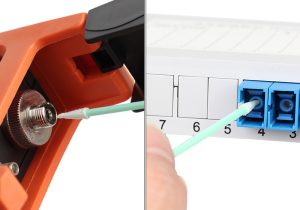
Microfiber swabs: Perfect for optics, fiber optics, and delicate surfaces requiring scratch-free cleaning.
Antistatic/ESD swabs: Feature conductive handles or tips to prevent static discharge in electronics manufacturing.
Swab tips also vary in shape (pointed, rectangular, round, or corkscrew) and size for reaching tight spaces or covering larger areas.
In Which Industries Are Cleanroom Swabs Commonly Used?
Cleanroom swabs are essential in:
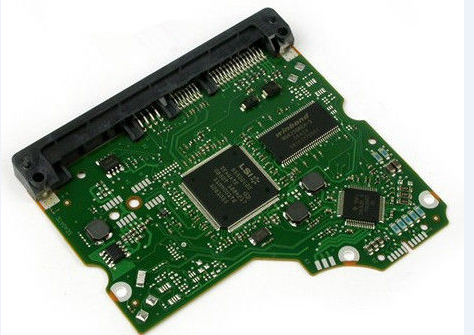
Electronics and semiconductor manufacturing (removing flux and particles from circuit boards).
Pharmaceuticals and biotechnology (sampling and cleaning equipment to maintain sterility).
Medical device assembly (applying adhesives, removing residues, and ensuring biocompatibility).
Optics and aerospace (precision cleaning of lenses and components).
Any industry requiring ISO-classified environments relies on them to prevent contamination that could lead to product defects or recalls.
How Do You Choose the Right Cleanroom Swab?
Selecting the ideal swab involves evaluating several key factors:
Application and surface type: Choose absorbent foam for liquids or knitted polyester for solvents.
Cleanroom classification: Match swab cleanliness level (e.g., particle counts) to your ISO class.
Chemical compatibility: Ensure the tip withstands your solvents or adhesives without degradation or leaching.
Biocompatibility and sterility needs: For medical or pharma use, verify cytotoxicity, endotoxin, and bioburden testing.
Handle design: Opt for rigid, anti-static, or flexible options based on reach and ESD risks.
Always review particulate cleanliness reports, compatibility data, and manufacturer validation packages before purchasing.
Sterile vs. Non-Sterile Cleanroom Swabs: Which Should You Use?
Sterile swabs are gamma-irradiated or processed to eliminate all microorganisms, making them mandatory for pharmaceutical sampling, medical device manufacturing, or any process where microbial contamination poses patient risk. They reduce bioburden and support compliance with strict regulations.
Non-sterile swabs are suitable for general cleanroom cleaning, electronics maintenance, or optics where microbial control is less critical. They are more cost-effective for routine tasks but still meet high particulate and chemical standards.
The choice depends on your contamination risk level—always prioritize sterile options when sterility is required.
How Should Cleanroom Swabs Be Stored?
Proper storage is essential to maintain cleanliness:
Store in original packaging until use
Keep in a controlled environment
Avoid exposure to dust and humidity
Handle with gloves to prevent contamination
Are Cleanroom Swabs Reusable?
Cleanroom swabs are designed for single use only. Reusing them can:
Introduce contamination
Reduce cleaning efficiency
Compromise process integrity
For critical environments, always use a new swab for each task.
Cleanroom swabs may seem simple, but choosing and using the right ones is critical for contamination control and product quality. By understanding these common questions, you can make informed decisions that support your cleanroom protocols and regulatory compliance. If you have additional questions about specific swab types or applications, consult Meditech for tailored recommendations.
Learn how to choose the right fiber optic cleaning swab. Discover materials, sizes, features, and MediTech precision cleaning solutions for fiber optic connectors and optical applications.
In order to ensure the quality of the dust-free foam swab, in addition to the quality of raw materials to produce foam swabs is better, but also to see the dust-free foam production workshop environment. Because only the dust-free production envir...
cleanning card for cash register, ATM and POS machinecleanning card for cash register, ATM and POS machinecleanning card for cash register, ATM and POS machine Applications: All Card Readers ATM/POS Terminals Petroleum Pump Time/Badge Slot/Vending...
Usually, we use a brush to clean the IC with cleaning solutions, this is definitely a good method for the IC cleaning as a special washer water or thinner is not conductive. It is very important, as thus will not damage the electronic components. ...
 Meditech